This blog was written in Paris, France during my train to the Europe mainland continent in the easter vacation from the UK.
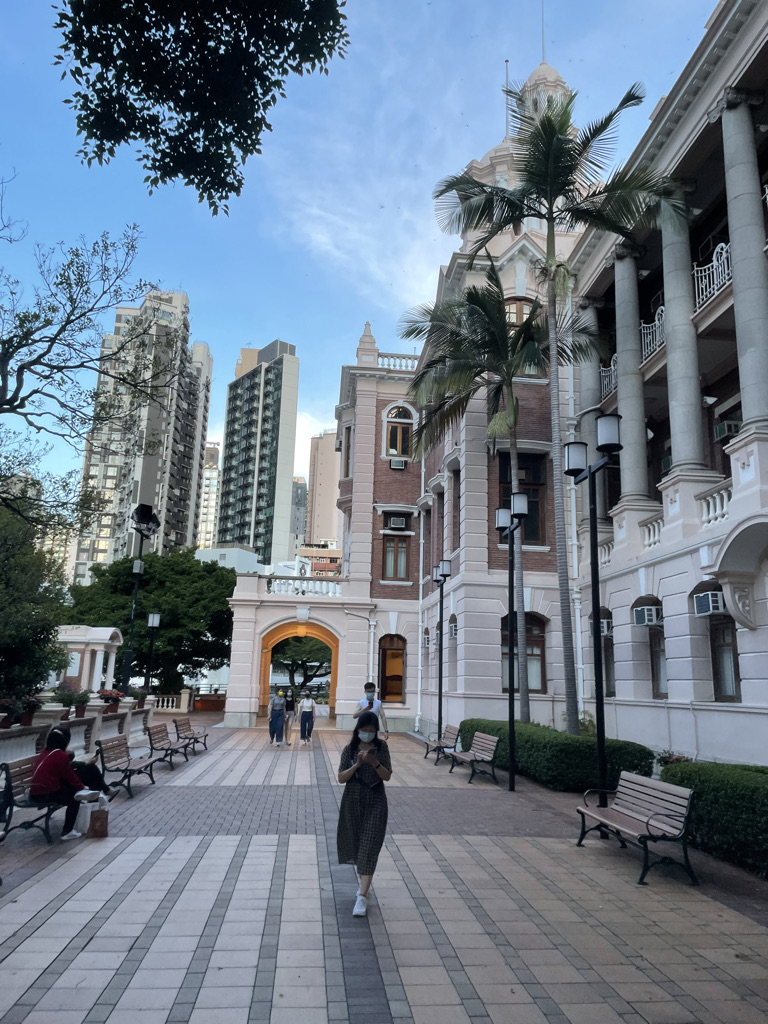
With the passage of time narrowing to a mere month before my peers from the class of 2020 approach the culmination of their summer examinations, the anticipation grows ever palpable. In just two months, they stand to proudly receive their degree certificates, marking their transition into the esteemed ranks of The University of Hong Kong alumni during a ceremonious convocation in the Grand Hall of our centennial campus. Although my tenure of in-person academic engagement at this venerable institution may not have constituted the majority of my higher education journey, the bonds of affinity I have forged with The University of Hong Kong are indelible. It is here, within the walls of this bastion of learning, that I have discovered an unparalleled sense of belonging and intellectual kinship. This institution, singular in its impact on my academic and personal growth, holds the exclusive distinction of being regarded as my alma mater—a sanctuary of knowledge to which my sentiments of loyalty and affection are irrevocably tied. In reflecting upon my experiences, it becomes abundantly clear that The University of Hong Kong is not merely an educational institution to me; it is a cherished haven where the seeds of my future were nurtured, and for that, it occupies a unique and enduring place in my heart.
The transformation and the change of the city and the university
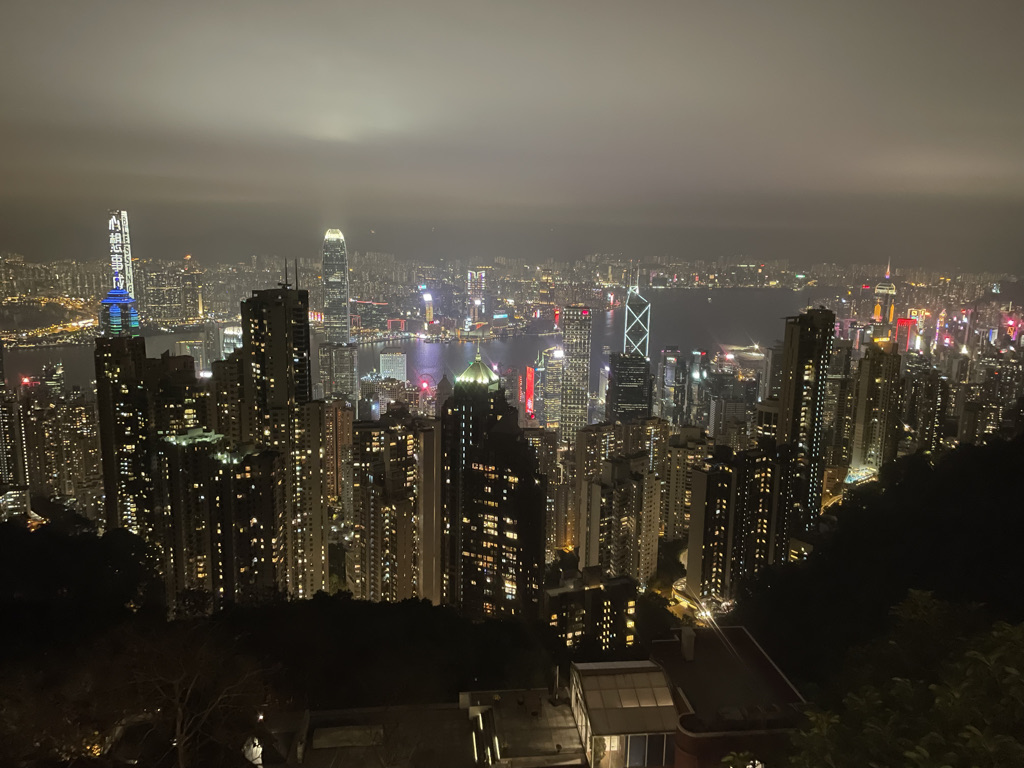
The period spanning from 2019 to 2024 has been one of profound transformation for the city of Hong Kong and its universities, marking a significant chapter in the annals of its development. Through a personal lens and drawing upon the ancient wisdom embedded within Daoism, it becomes evident that the destiny of this metropolis was ostensibly preordained decades prior. This foresight extends to the anticipation that the alma mater we hold dear will undergo further metamorphoses, which to the graduating class of 2024, may appear as realms of the ‘unimaginable’. Such changes, however, are not merely for the sake of transformation but are essential for navigating the rapidly evolving socio-economic landscapes. In this context, adaptation becomes synonymous with survival, necessitating a series of compromises.
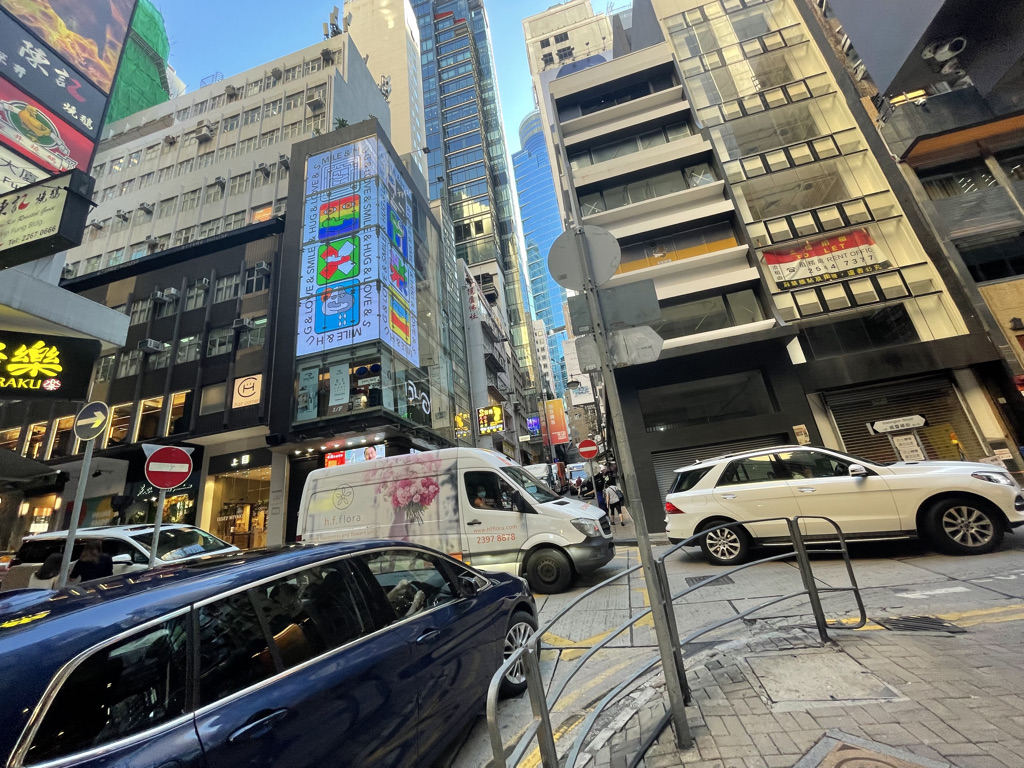
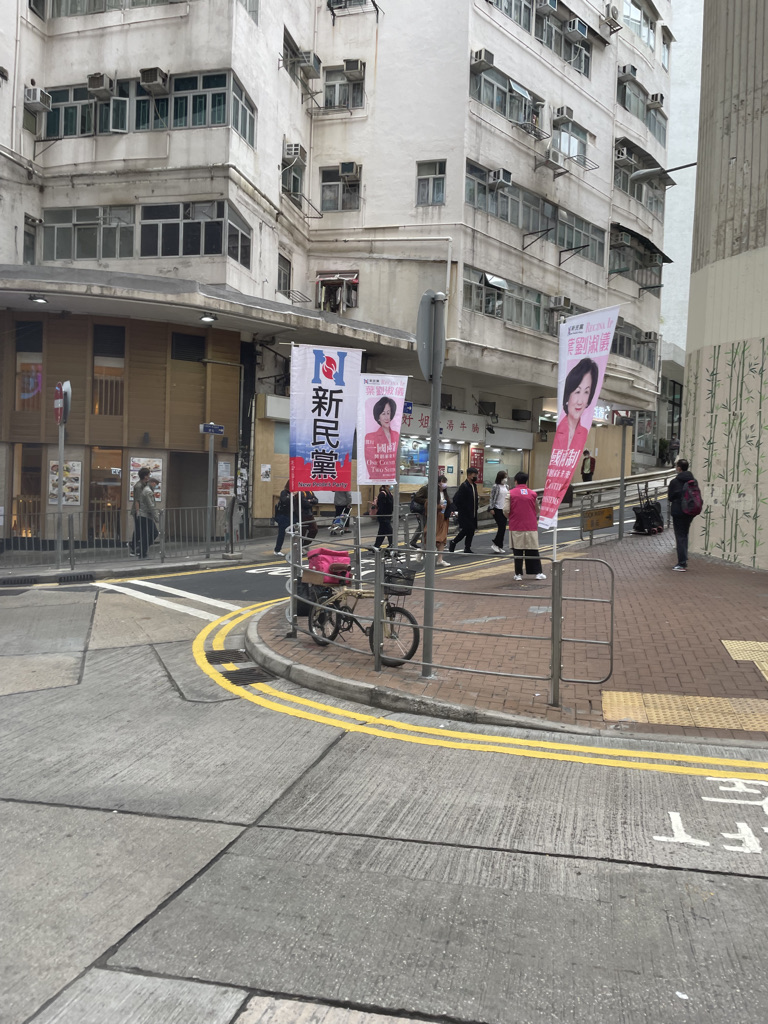
For a nascent adult of eighteen, standing on the threshold of adulthood with a fledgling grasp of human complexities, the unfolding events offer an unparalleled opportunity. This era has propelled me beyond the confines of textbook knowledge, affording me the privilege to engage with the world in a manner that fosters reflection, contemplation, and learning from the dynamic shifts around us. Engaging with these has been instrumental in cultivating a healthy perspective towards societal participation.
Friendships
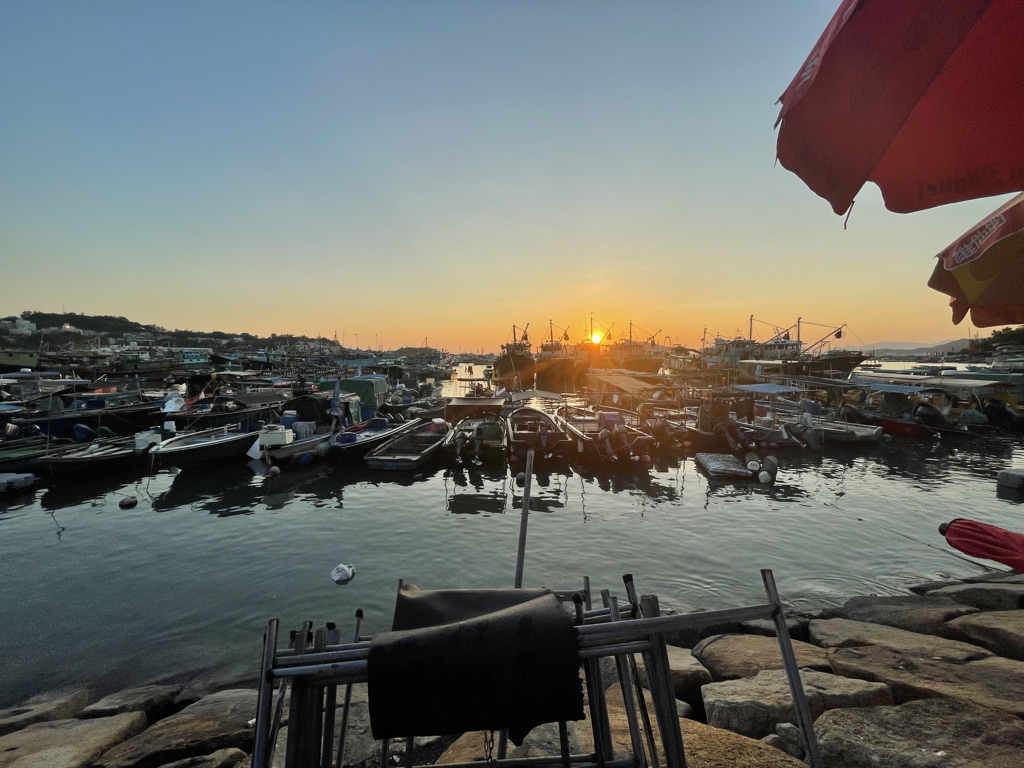
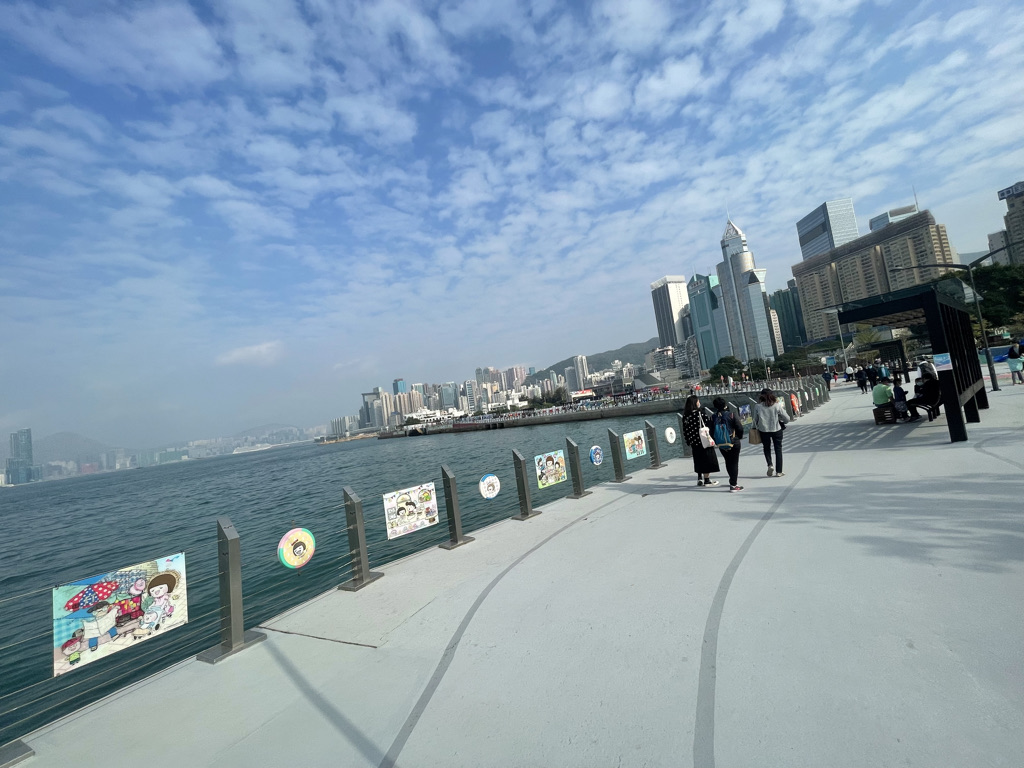
We respect that friendships may sometimes be more valuable than romantic or family relationships. Why? Because you can have a lot of them without too many restrictions, and there is not more interesting thing for a species built on social connetions. I appreciate those who offered me oppurtunities to have conversations in understanding politics. I appreciate those who offered me time and energy in investing in business and explore the entrepreneurial boundaries we can push. I appreciate those who, in whatever form, pushed my growth in personality.
You see, this might be some of the reasons why humans need friends. But we also respect that the friendship between noble-minded people are pure and mild as water. I will send my best wishes to my friends met in Hong Kong, whether or not I will meet them again.


Of course, one of the most functions of friendships if to enjoy your life. How enjoyful, if you can laugh and shout in a Chirstmas eve or Chinese new year’s eve with safe feelings to lose some slight control.
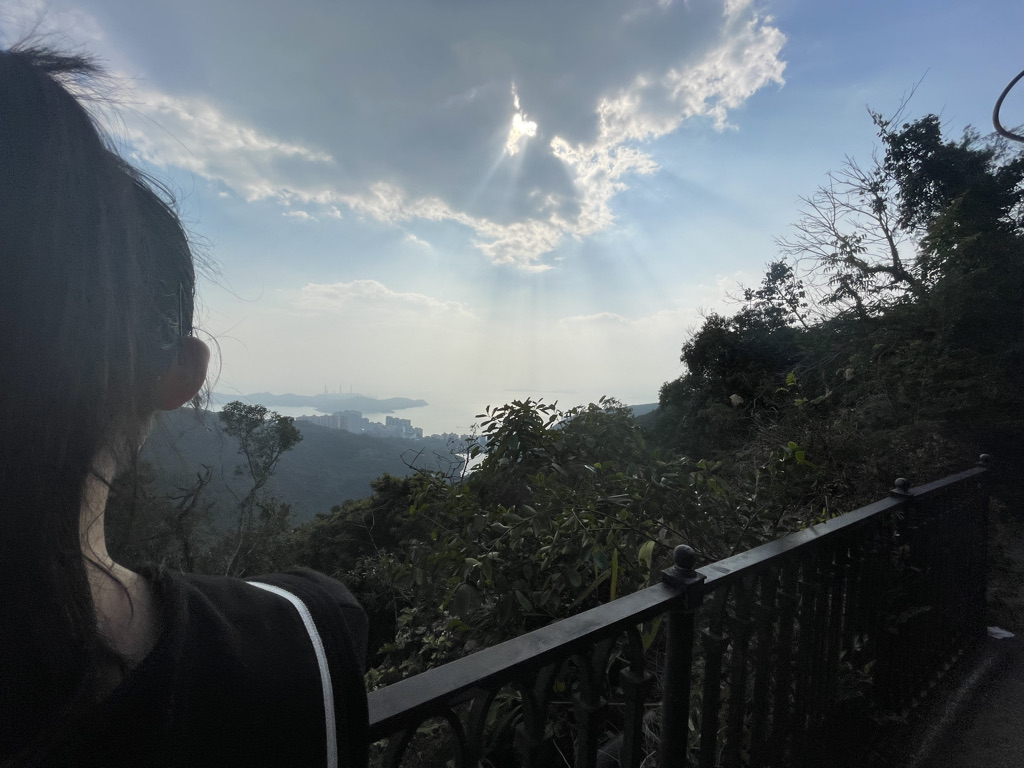
How chilled, if you can clime a mountain with your friends in a Sunday afternoon and enjoy the beautiful views from the top of the mountain in a restaurant enjoying your favoite food as dinner.
My comments on its education
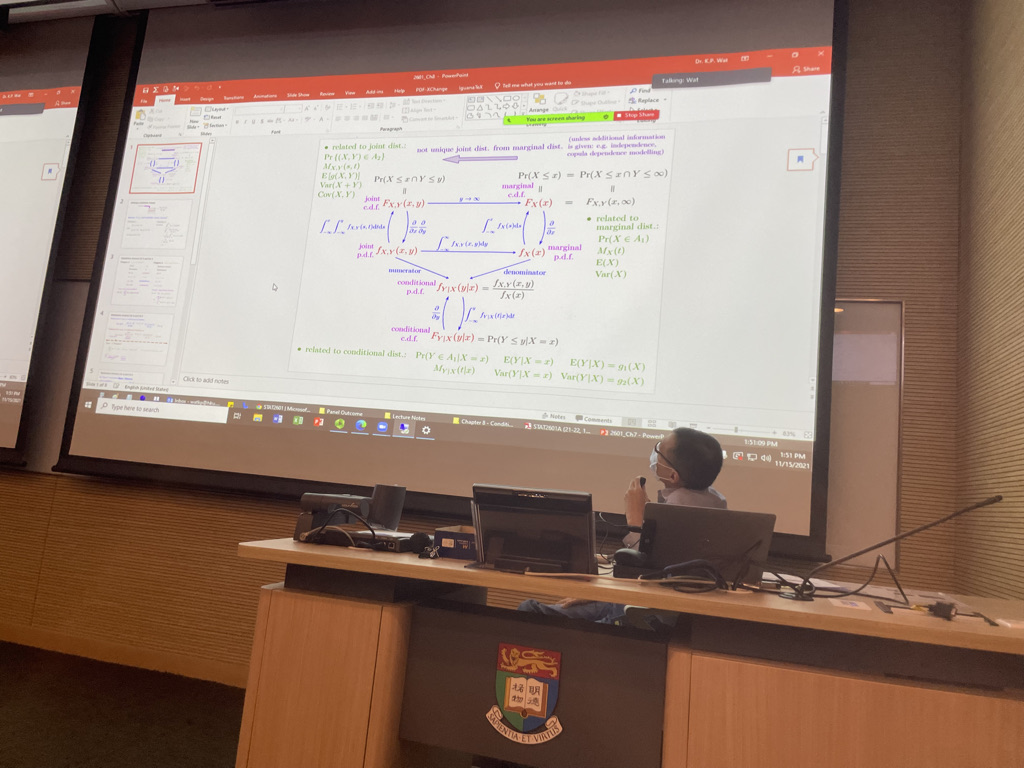
If you ask me who can represent the sprits of education of this higher educational institution, I would find most who can make the representation are the older generation Hong Kong born (before 1990), including Dr. Kafu Wong, Dr. K.P. Wat, Dr. A. Wang, Prof. James Kung, ect. The most significant characteristic from their education, as I put in a single sentence to describe, is that they ask you to put the highest-quality scholarly pursuits in rigorously, objectively and strict standards in solving problems. This process, from time to time, attracted many dissatisfactions from their students in criticising the unnecessariness and outdateness. This steadfast commitment to academic excellence, albeit occasionally met with student grievances regarding its perceived stringency or anachronism, embodies the quintessence of our institution’s legacy. I would argue it was exactly them who can pass the HKU and Hong Kong education heritage to the next generation. If I could, and if fortunately enough, teach at my alma mater, I will pass their educational standards as well to the next generation of students.
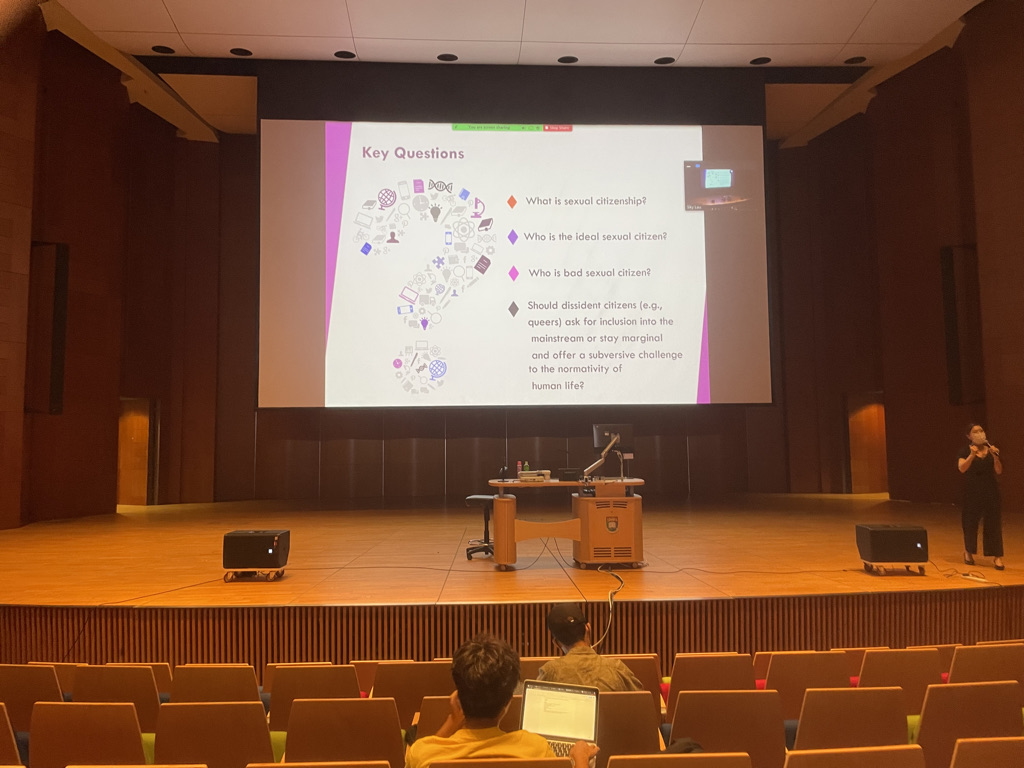
If you ask me what I have learned, materially, from learnt from this university, my genuine answer would be that I have learned nothing. This might not be the only case for HKU. If you ask me the same question again the same question with Cambridge, MIT, Peking or Fudan University, I would answer you again that I have learnt nothing from all these MOST distinguished universities from China, UK and US. This environment, rich in diversity and thought, fosters a unique form of learning that is less about the tangible acquisitions of facts or techniques and more about the evolution of one’s perspectives, the cultivation of critical thinking, and the nurturing of an insatiable curiosity about the world and our place within it.

I would argue a university is not a place to learn skills, but rather, it provides a platform, a safe platform, for you to grow your mindsets with protections, communicate your dreams and exchanges your values with people who are in a similar age to you, and more importantly give you questions, rather than answers, to answer after graduation, not before graduation.

For example, I still have doubts in Professor James Kung’s research as an economist and a practitioner who tries my best to survice in the society. I may need my entire life to uncover the questions, not the conclusions from his papers, to untangle the political complexities. Though I believe my eventual answer will be in the simplest form.
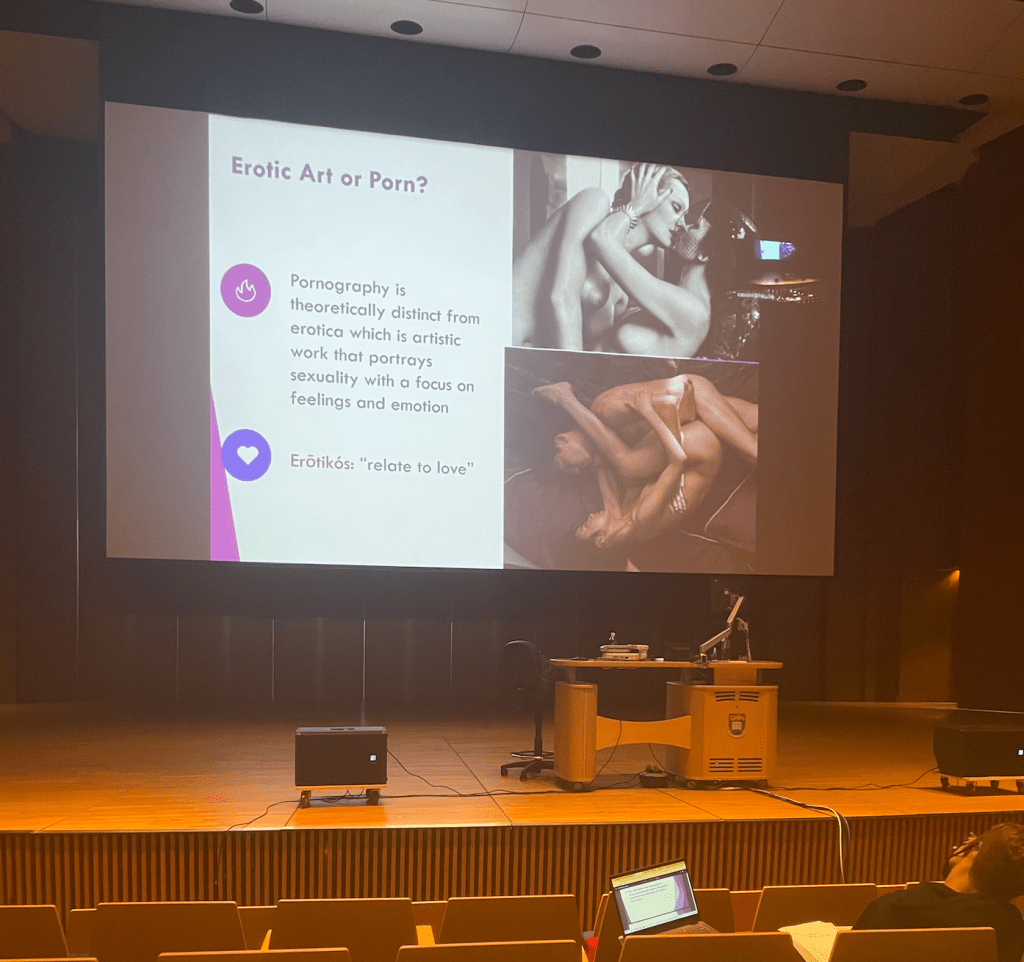
Another example is that a professor in gender studies, together with my friend Ruiying Xiao, sparked my life-long journey to study the economic and social significance of the institutional power of marriages and the related social structure. Will this society and human civilization embrase a more economically efficient and socially more stable form which further encourages productivity growth and make sure everyone can find their most satisfied way of living? We need centuries to investigate.
You don’t wait until the scholars, politicians or businessmen to solve the problemes. Remember, you are always the frontline person who faces these issues, so you should be the one who reflects on them.
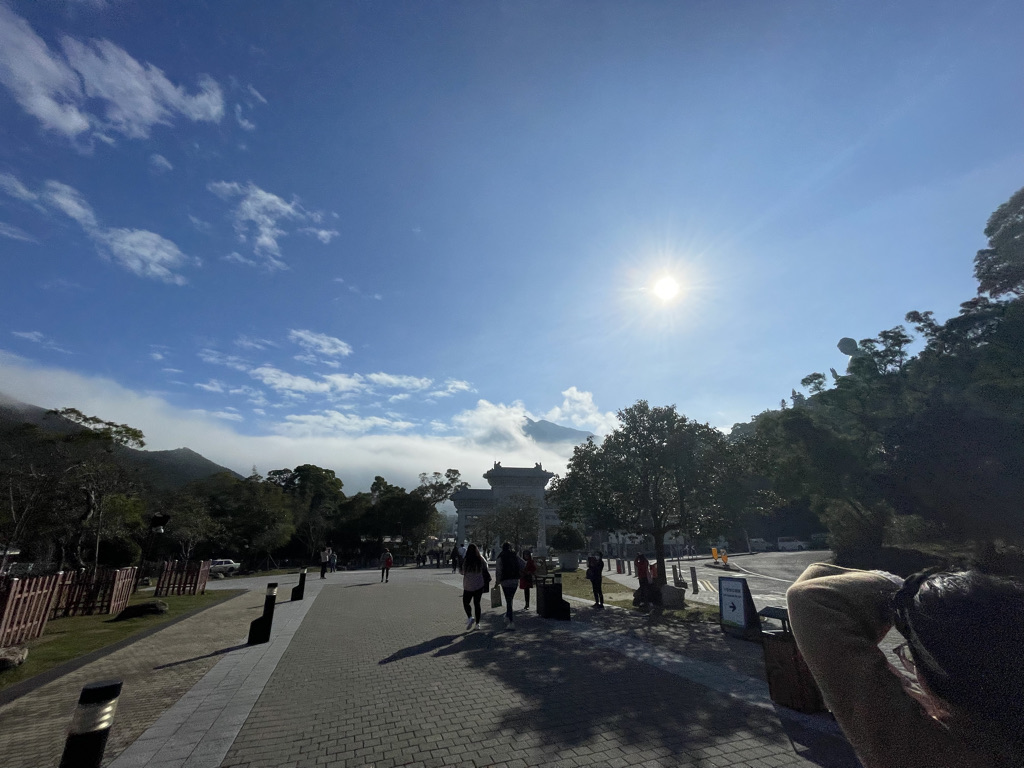
I appreciate that I attended HKU, as this maintains my close connection with China. This connection has deepened my understanding of the intricate relationship between one’s cultural roots and their personal identity. We acknowledge that education is the best avenue to transform a person’s mind and core values. I sense wide and common phenomena that those who left China and studies abroad younger usually lack love and ties to their home country and culture. Yet, it is within the culture of our birth that we find the ancient wisdoms that have the most profound impact on our lives, offering lessons and insights that resonate deeply with our intrinsic values and perspectives. It would be very hard for you, if you put yourself in a foreign culture and attemps to learn from their ancient wisdom. For a similar reason, it would be possible for you to be truely accepted a member of a foreign country. Likewise, fully integrating and being accepted as a true member of a foreign country presents its own set of complexities, as the cultural and historical nuances of one’s birthplace invariably shape one’s identity in significant ways. I also appreciate that I was put in an environment where the city itself was trying to find ways to assimilate into the future of China and east Asia. It provided a unique vantage point from which to observe and participate in the ongoing dialogue between preserving cultural heritage and embracing future possibilities. These encourged the young like to also actively engage in the development of my beloved country.
Future

I embraced the first stage of my life-long entrepreneur and scholarly journey in Hong Kong. If you ask me what me dreams are after Hong Kong, I would say that I hope I could come back to HKU as a business faculty and pass the HKU spirits to the next generation of students. I hope I could come back to Hong Kong and China as a entrepreneur to contribute back to the development of China and Hong Kong.
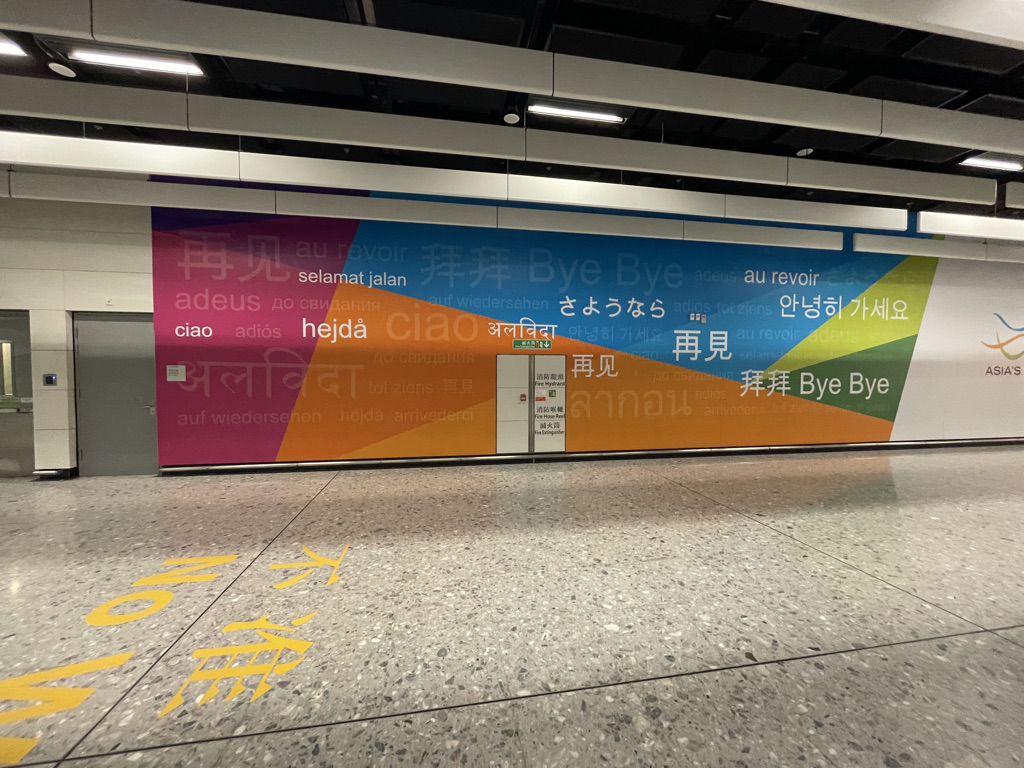
But for now, let me temporarily say goodbye to Hong Kong.


 Yuxin Hu
留下评论